What Are Minimally Invasive Orthopedic Surgeries?
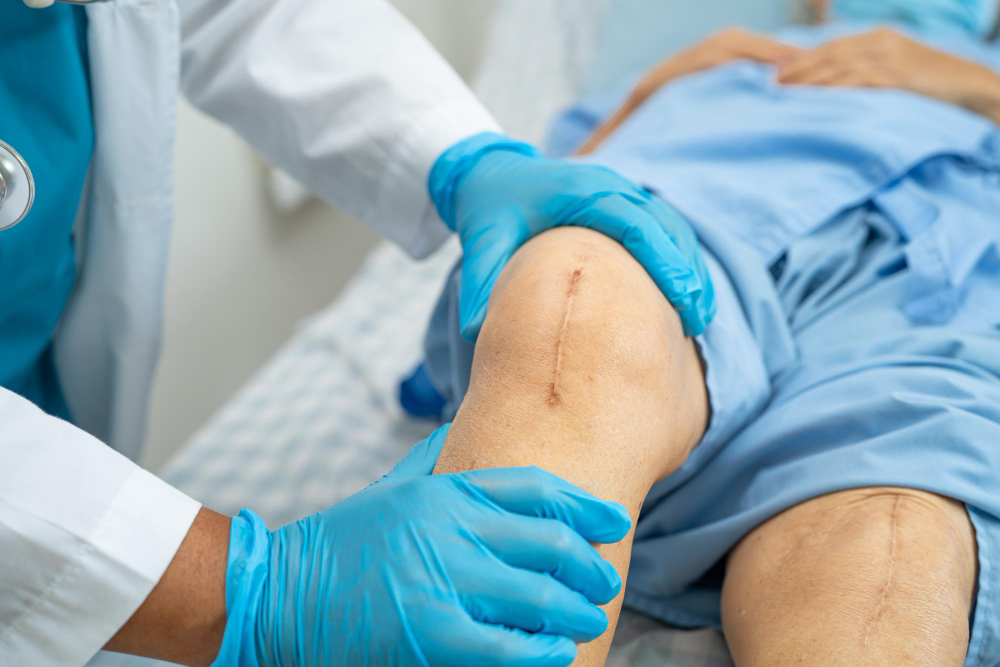
Minimally invasive orthopedic surgery is a modern way to treat bone and joint problems. In these surgeries, doctors use small cuts and special tools. As a result, patients often heal faster and feel less pain. Many people in the United States and around the world now choose these advanced methods. Because of their benefits, minimally invasive orthopedic surgeries are becoming more popular every year.
Common Conditions Treated
Doctors use orthopedic minimally invasive procedures to treat many bone and joint issues. For example, these surgeries can help with:
Because these surgeries use small cuts, they can often treat problems that once needed bigger operations.
Benefits Compared to Traditional Surgery
Minimally invasive orthopedic surgery offers many advantages over traditional open surgery. For instance, patients often notice:
Because of these benefits, many people prefer minimally invasive joint surgery when possible. The Centers for Disease Control and Prevention (CDC) notes that faster recovery can help people get back to work and family life sooner.
Types of Minimally Invasive Procedures
There are several types of minimally invasive orthopedic surgeries. Some of the most common include:
Because these methods use advanced tools, they often cause less harm to healthy tissue.
How Are These Surgeries Performed?
First, doctors make one or more small cuts near the problem area. Next, they insert a thin camera and special tools through these cuts. The camera sends images to a screen, so the surgeon can see inside the joint or bone. Then, the doctor repairs or removes damaged tissue. Finally, the cuts are closed with stitches or small strips. Because the cuts are small, there is usually less bleeding and swelling.
Recovery and Aftercare
After minimally invasive orthopedic surgery, recovery is often quicker than with traditional surgery. Most people can go home the same day or after a short hospital stay. To help healing, doctors may suggest:
Because recovery is usually faster, many people return to work and normal life sooner. However, always follow your doctor’s advice for the best results.
Risks and Considerations
Although minimally invasive orthopedic surgery is safe for most people, there are still some risks. For example, you may have:
Because every patient is different, not everyone is a good candidate for these surgeries. Therefore, it is important to talk with your orthopedic specialist about your options.
Prevention and Lifestyle Tips
Even though surgery can help, it is better to prevent joint and bone problems when possible. To keep your bones and joints healthy, try these tips:
Because healthy habits can lower your risk, start making small changes today.
Conclusion
Minimally invasive orthopedic surgeries offer many benefits, such as faster recovery and less pain. However, every person is unique. Therefore, consult an orthopedic specialist to learn if minimally invasive surgery is right for you.