Introduction
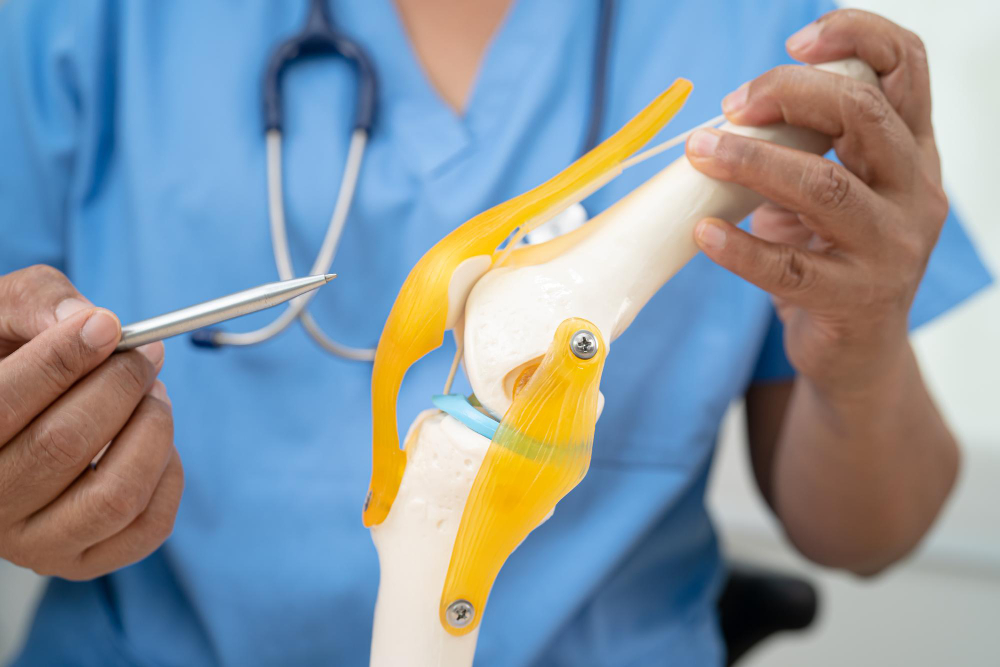
Total knee replacement is a surgery that helps people with severe knee pain. Doctors replace the damaged knee joint with an artificial one. This surgery can improve movement and reduce pain. Many people choose total knee replacement when other treatments do not work. In the United States, this is a common way to treat knee pain and improve quality of life.
Symptoms and Conditions Leading to Total Knee Replacement
Many people suffer from knee pain that does not go away. Often, this pain comes from arthritis or injury. You may need total knee replacement if you have:
Causes and Risk Factors
There are several reasons why someone may need total knee replacement. Most often, it is due to:
Some risk factors include:
Diagnosis and When Surgery Is Recommended
Doctors use several steps to decide if you need total knee replacement. First, they ask about your symptoms and check your knee. Next, they may order X-rays or MRI scans. These tests show how much damage is in the joint. If pain and stiffness make daily life hard, and other treatments fail, surgery may be the best choice. Your orthopedic surgeon near you will help you decide.
The Total Knee Replacement Procedure
Doctors follow a step-by-step process for total knee replacement surgery:
The surgery usually takes one to two hours. Most people stay in the hospital for a few days.
Benefits and Expected Outcomes
Total knee replacement offers many benefits. For example, most people notice:
In addition, many people return to normal activities within a few months. According to the CDC, over 90% of knee replacements work well for at least 15 years.
Risks and Possible Complications
Like any surgery, total knee replacement has some risks. However, most people do not have serious problems. Possible risks include:
Your doctor will explain how to lower these risks before surgery.
Recovery Process and Rehabilitation Tips
After total knee replacement, recovery takes time. But with the right steps, you can heal well. Here are some tips:
Most people return to normal life in 3 to 6 months. Still, full recovery may take up to a year.
Lifestyle Guidance and Prevention of Further Knee Issues
Even after surgery, it is important to protect your new knee. You can:
With these steps, you can help your knee last longer and feel better.
Frequently Asked Questions (FAQ)
Conclusion
Total knee replacement can relieve pain and improve your life. However, it is important to know the risks and follow recovery steps. If you have knee pain that does not get better, consult an orthopedic specialist for personalized advice.