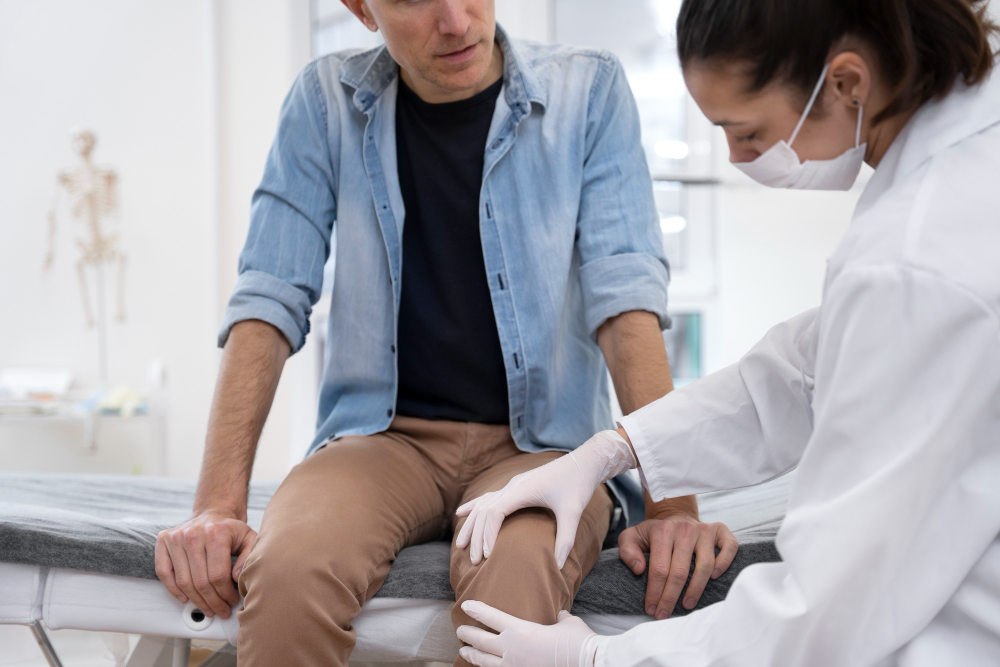
What is Knee Arthroscopy?
Knee arthroscopy is a type of minimally invasive knee surgery. Doctors use a small camera, called an arthroscope, to look inside your knee joint. Because the cuts are small, this surgery often leads to less pain and a quicker recovery. Many people choose knee arthroscopy to treat knee pain or injuries. In fact, it is one of the most common orthopedic procedures worldwide.
Common Reasons for Knee Arthroscopy
Doctors may suggest knee arthroscopy for several knee problems. For example, it can help diagnose or treat:
Sometimes, knee arthroscopy is used to find the cause of knee pain when other tests are unclear.
How the Procedure is Performed
During knee arthroscopy, you will receive anesthesia to keep you comfortable. Next, the surgeon makes a few small cuts around your knee. Then, a tiny camera is inserted to view the inside of your joint. Special tools are used to fix or remove damaged tissue. Because the cuts are small, there is usually less bleeding and swelling. The whole procedure often takes less than an hour. Afterward, you can usually go home the same day.
Benefits of Knee Arthroscopy
Knee arthroscopy offers many advantages over traditional open surgery. Some key benefits include:
Because it is minimally invasive, many patients recover quickly and return to work or sports sooner.
Risks and Potential Complications
Although knee arthroscopy is safe, all surgeries carry some risks. It is important to know what to expect after knee arthroscopy. Possible risks include:
Most people do not have serious problems. However, you should talk to your doctor about knee arthroscopy risks before surgery.
Recovery and Aftercare
After knee arthroscopy, recovery time varies for each person. Usually, you can walk with help on the same day. However, you may need crutches for a few days. Most people return to light activities within one to three weeks. Full recovery may take several weeks, depending on the type of repair. Your doctor will give you instructions for caring for your knee at home. These may include:
Always follow your doctor’s advice for the best results.
Tips for a Smooth Recovery
To help your knee heal well, consider these tips:
If you notice any problems, contact your doctor right away.
When to Consult an Orthopedic Surgeon
If you have knee pain that does not improve with rest or medicine, it may be time to see a specialist. Additionally, if you have swelling, locking, or trouble moving your knee, an orthopedic surgeon can help. They will discuss if knee arthroscopy is right for you. In some cases, early treatment can prevent further damage and speed up recovery.
For more information or to find out if knee arthroscopy is suitable for your needs, consult an orthopedic specialist for personalized advice about knee arthroscopy.