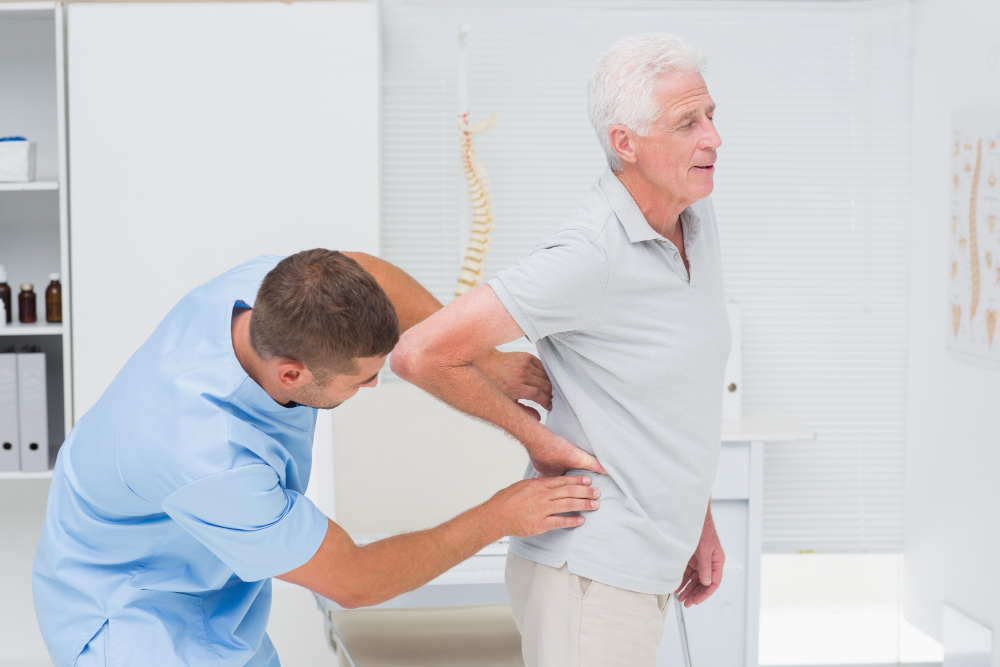
What Is Scoliosis?
Scoliosis is a condition where the spine curves sideways. Usually, the spine is straight when viewed from the back. However, with scoliosis, the spine may look like an “S” or “C” shape. This curve can be mild or severe. Often, scoliosis develops during childhood or the teenage years. According to the World Health Organization (WHO), early detection is important for better outcomes. Scoliosis can affect people of all ages, but it is most common in children and teens.
Common Symptoms of Scoliosis
Many people with scoliosis notice changes in their posture. Sometimes, the signs are easy to see. Other times, they are mild and hard to spot. For example, you might see:
In some cases, scoliosis symptoms are mild and cause no pain. But, as the curve gets worse, pain or breathing problems may develop. Therefore, it is important to watch for these signs early.
Causes and Risk Factors
Most cases of scoliosis have no known cause. This is called idiopathic scoliosis. However, some risk factors can increase the chance of developing it. For instance:
Although the exact cause is often unknown, knowing these risk factors can help with early detection. In rare cases, injuries or infections can also lead to scoliosis.
How Scoliosis Is Diagnosed
Doctors use several steps to diagnose scoliosis. First, they perform a physical exam. During this exam, the doctor may ask you to bend forward. This helps them see any curves in the spine. Next, if a curve is suspected, imaging tests are used. For example:
These tests help doctors decide on the best treatment for scoliosis. Early scoliosis diagnosis is key to preventing the curve from getting worse. According to the Centers for Disease Control and Prevention (CDC), regular check-ups can help catch scoliosis early.
Treatment Options for Scoliosis
Treatment for scoliosis depends on the curve’s size and the patient’s age. Not every case needs surgery. In fact, many people only need regular check-ups. Here are common options:
Orthopedic care for scoliosis is important for choosing the right treatment. Your doctor will explain the risks and benefits of each option.
Lifestyle Tips and Self-Care for People with Scoliosis
Living with scoliosis can be easier with some simple lifestyle changes. For example, you can:
Additionally, joining support groups can help you connect with others who have scoliosis. Remember, self-care is important for managing symptoms and staying healthy.
Prevention and Early Detection
While you cannot always prevent scoliosis, early detection makes a big difference. Regular check-ups for children and teens are important. Parents should watch for signs like uneven shoulders or hips. If you notice any changes, talk to your doctor right away. Early treatment can stop the curve from getting worse. In summary, staying alert and seeking help early is the best way to manage scoliosis.
Conclusion
Scoliosis is a condition that affects the shape of the spine. Although it can be mild, early detection and proper care are important. If you or your child notice any signs of scoliosis, do not wait. Consult an orthopedic specialist for personalized scoliosis care and guidance.