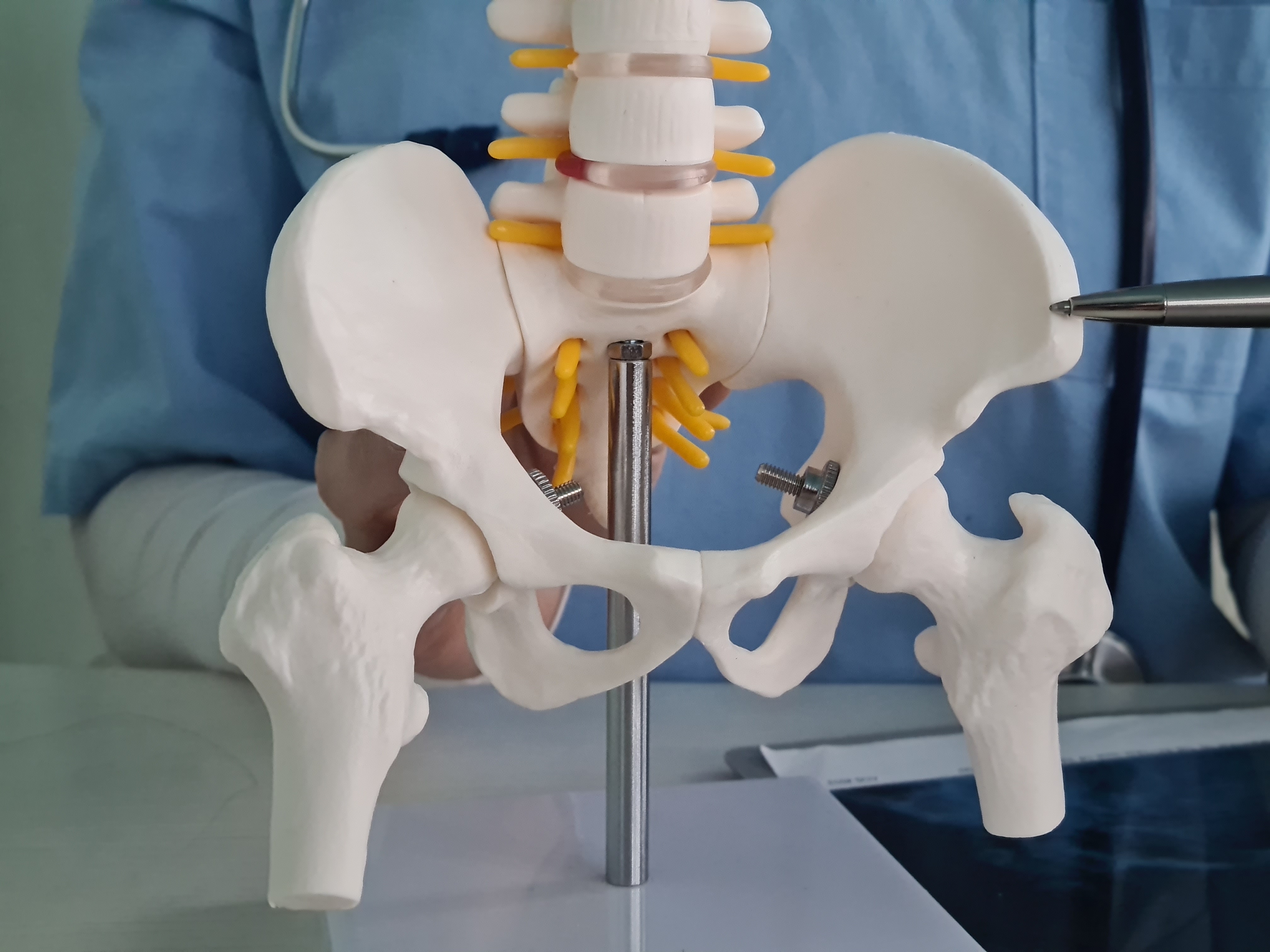
What Is Hip Arthroscopy?
Hip arthroscopy is a minimally invasive hip surgery. Doctors use it to look inside your hip joint and treat problems. During this procedure, a small camera called an arthroscope is inserted through tiny cuts. This lets the surgeon see and fix issues without making large incisions. Because of this, hip arthroscopy often leads to less pain and a quicker recovery than open surgery. Many people choose this option for hip pain treatment.
Symptoms and Conditions Treated with Hip Arthroscopy
Often, hip arthroscopy helps people with ongoing hip pain. It is also used when other treatments do not work. Common symptoms and conditions treated include:
For many, these symptoms can limit daily activities. However, hip arthroscopy can help restore movement and reduce pain.
Causes Leading to Hip Arthroscopy
Several causes may lead to the need for hip arthroscopy. Sometimes, injuries from sports or accidents damage the hip joint. Other times, wear and tear from aging or overuse can cause problems. In addition, some people have hip shapes that make them more likely to develop joint issues. Because of these factors, hip pain and limited movement may develop over time.
Diagnosis and When Hip Arthroscopy Is Recommended
Doctors start with a physical exam and ask about your symptoms. Next, they may order imaging tests like X-rays or MRI scans. These tests help find the cause of your hip pain. If non-surgical treatments like rest, physical therapy, or medicine do not help, hip arthroscopy may be recommended. Usually, this surgery is suggested when:
Therefore, it is important to discuss your options with a specialist.
Hip Arthroscopy Procedure: Step-by-Step
During hip arthroscopy, you will receive anesthesia to keep you comfortable. The surgeon makes two or three small cuts near your hip. Through one cut, a tiny camera is inserted. Through the others, special tools are used to repair or remove damaged tissue. The doctor watches the camera images on a screen to guide the surgery. After the repairs are done, the tools are removed and the cuts are closed. Because the cuts are small, scarring is usually minimal. Most procedures last one to two hours.
Benefits of Hip Arthroscopy
Hip arthroscopy offers several advantages over traditional open surgery. For example, it is less invasive and often leads to:
Because of these benefits, many people prefer this approach for hip pain treatment.
Risks and Possible Complications
Although hip arthroscopy is generally safe, all surgeries have some risks. Possible complications include:
However, serious problems are rare. Your doctor will discuss these risks with you before the procedure. According to the American Academy of Orthopaedic Surgeons, most people recover well after hip arthroscopy.
Hip Arthroscopy Recovery and Aftercare Tips
Recovery from hip arthroscopy is usually quicker than open surgery. Still, it is important to follow your doctor’s advice. Here are some tips for a smooth recovery:
Most people can return to work or school within a few weeks. However, full recovery may take several months. Because everyone heals differently, your timeline may vary.
Prevention and Lifestyle Tips for Hip Joint Health
Even after hip arthroscopy, it is important to protect your hip joints. To keep your hips healthy:
With these steps, you can help prevent future hip problems.
Conclusion
In summary, hip arthroscopy is a safe and effective way to treat many hip joint problems. It offers less pain, faster recovery, and smaller scars compared to open surgery. However, it is important to understand the risks and follow your doctor’s advice. For personalized guidance on hip arthroscopy, consult an orthopedic specialist.