What Is Knee Arthroscopy?
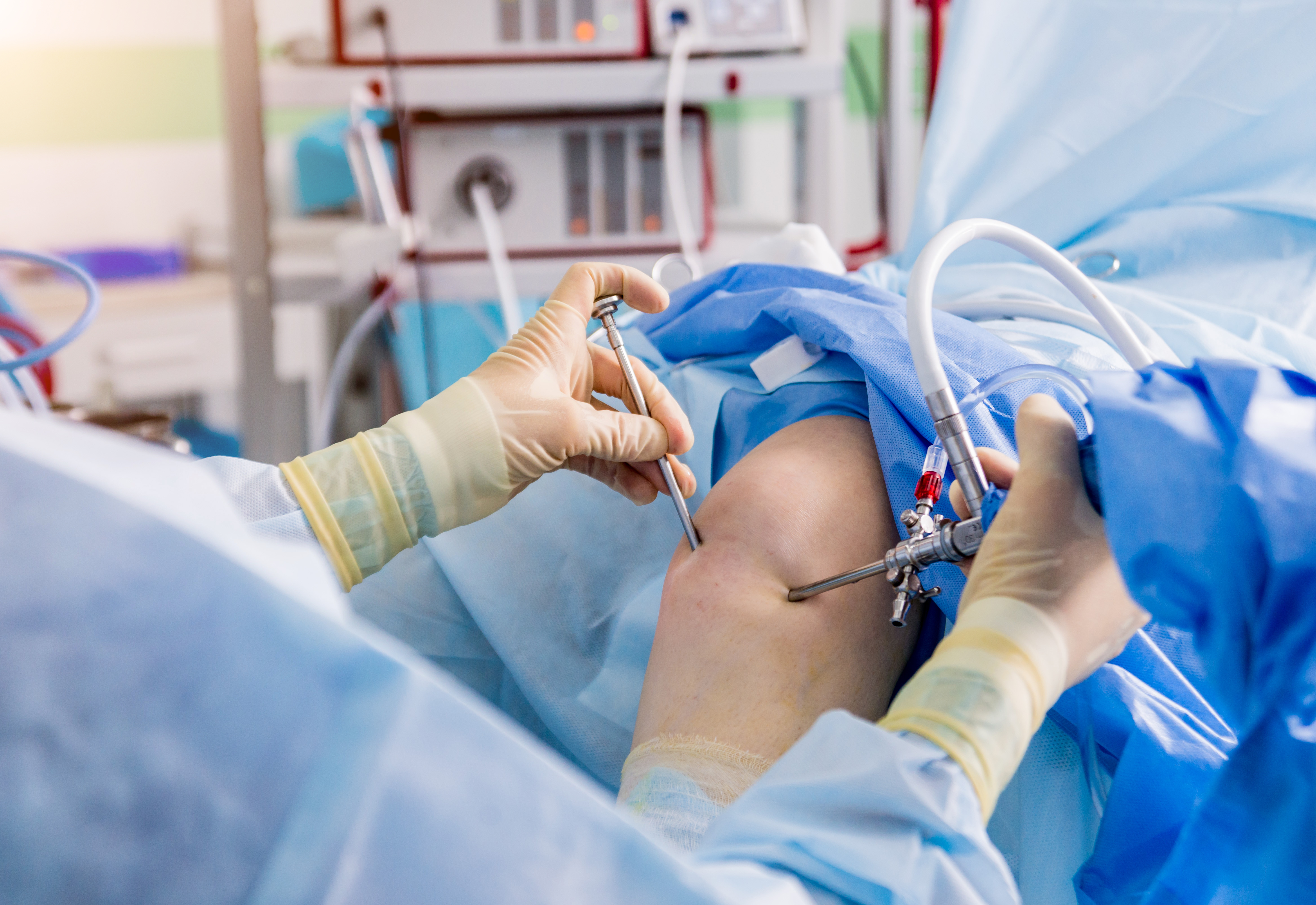
Knee arthroscopy is a minimally invasive knee surgery. Doctors use it to look inside your knee joint and treat problems. During this procedure, a small camera called an arthroscope goes into your knee through a tiny cut. Because of this, the doctor can see the inside of your knee on a screen. Many people choose knee arthroscopy because it often means less pain and a quicker recovery than open surgery.
Common Reasons for Knee Arthroscopy
Doctors may suggest knee arthroscopy for several reasons. For example, it helps diagnose and treat knee pain or injuries. Often, this procedure is used when other treatments have not worked. Some common reasons include:
In many cities, you can find skilled doctors who perform knee arthroscopy.
Step-by-Step: The Knee Arthroscopy Procedure
First, your doctor will explain the knee arthroscopy procedure. On the day of surgery, you will receive anesthesia to keep you comfortable. Next, the doctor makes a few small cuts around your knee. Through one cut, the arthroscope goes in. Through others, small tools are used to fix the problem. The doctor watches everything on a screen. After the repair, the cuts are closed with stitches or small strips. Usually, the whole procedure takes less than an hour.
Benefits of Knee Arthroscopy
Knee arthroscopy offers many advantages. For instance, it is less invasive than open surgery. Because of this, you may heal faster and have less pain. Other benefits include:
According to the American Academy of Orthopaedic Surgeons, most people recover well after this surgery.
Risks and Possible Complications
Although knee arthroscopy is safe, every surgery has risks. However, serious problems are rare. Some possible risks include:
If you notice redness, fever, or severe pain after surgery, contact your doctor right away. The CDC and other health groups recommend following your doctor’s advice to lower these risks.
Recovery Process and Aftercare Tips
After knee arthroscopy, you will spend a short time in recovery. Most people go home the same day. To help your knee heal, follow these tips:
Usually, you can return to light activities within a week. However, full recovery may take several weeks. Physical therapy can help you regain strength and movement.
Prevention and Lifestyle Advice for Knee Health
Keeping your knees healthy can help you avoid future problems. For example, you can:
By following these steps, you can protect your knees and lower your risk of injury.
Conclusion
Knee arthroscopy is a safe and effective way to treat many knee problems. Because it is minimally invasive, most people recover quickly. However, every person is different. Therefore, consult an orthopedic specialist to learn if knee arthroscopy is right for you.